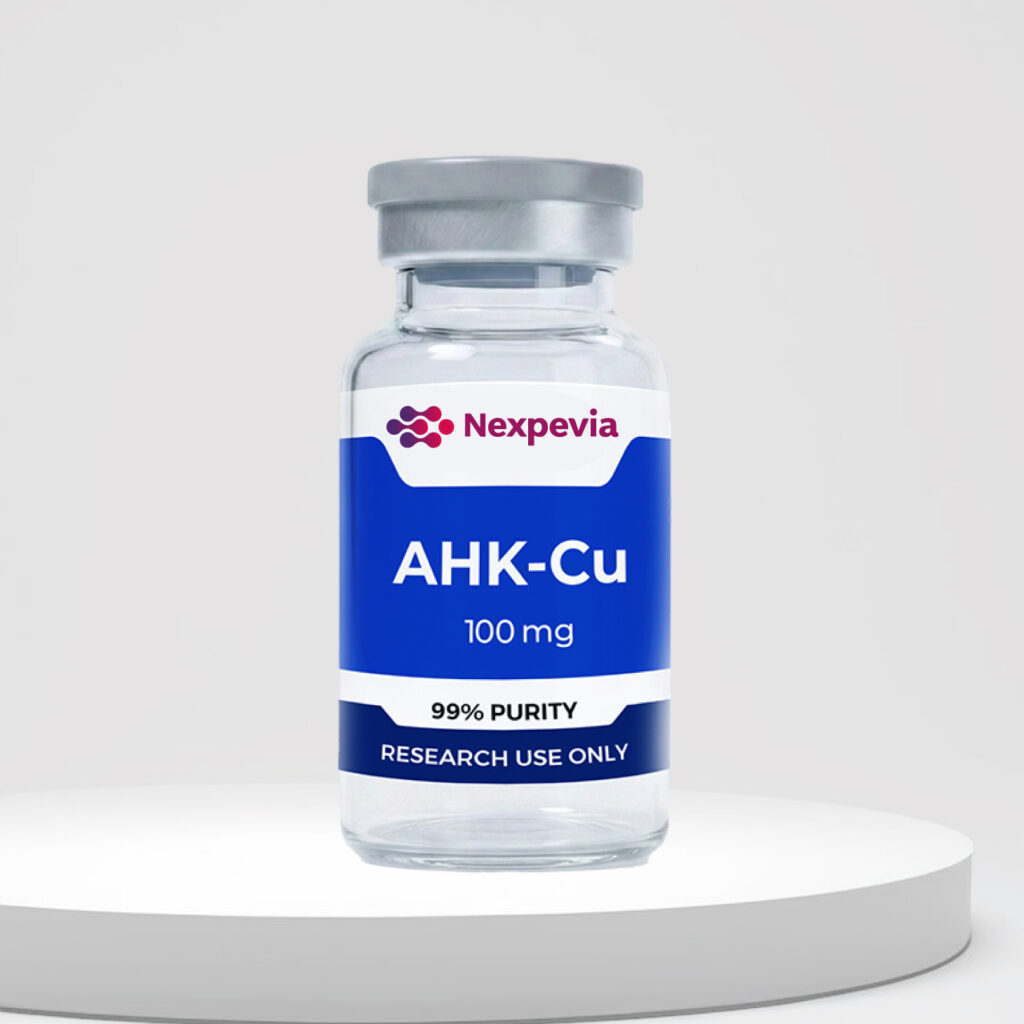
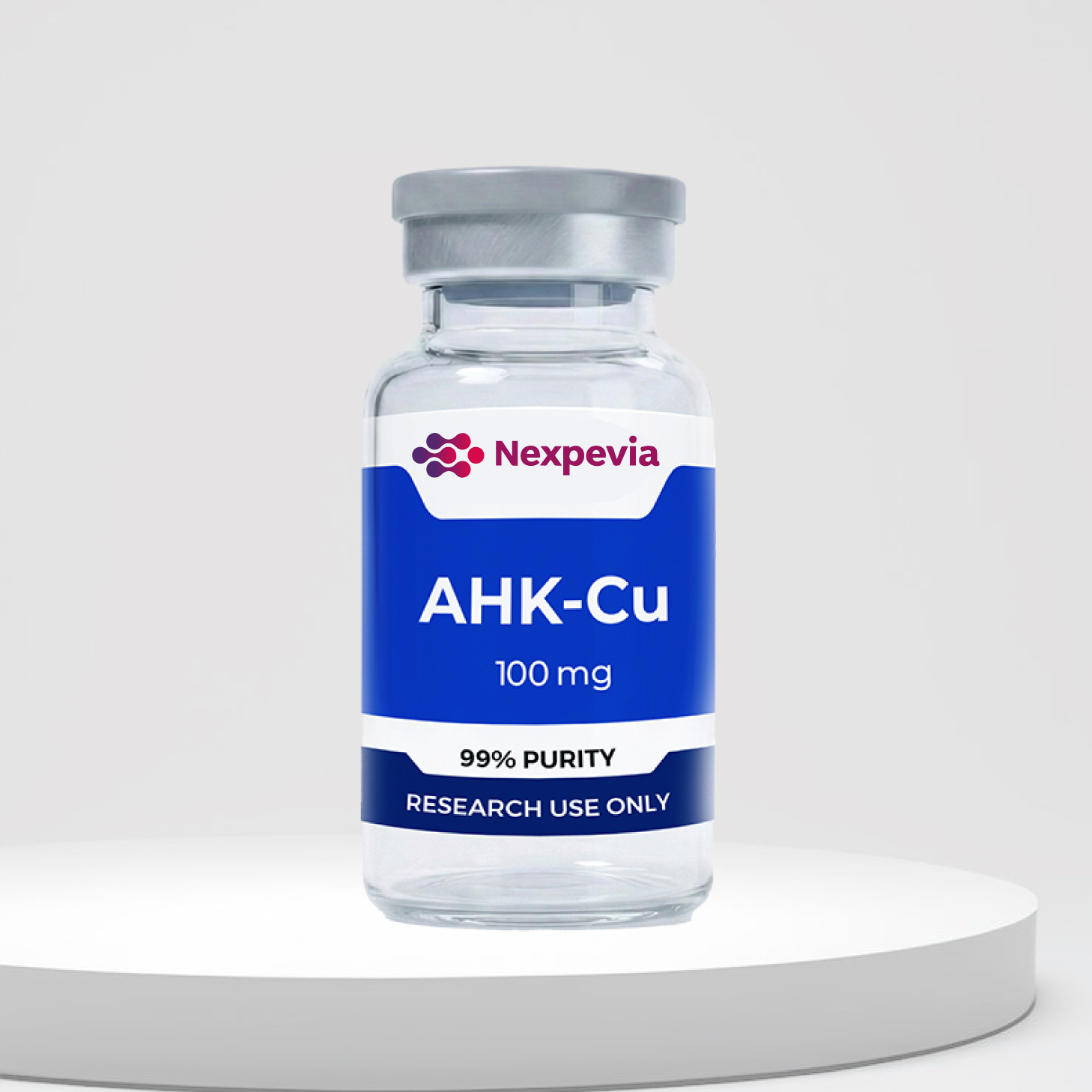
AHK-Cu | 100mg
$80.12
AHK-Cu 100mg is a synthetic copper-binding tripeptide composed of alanine, histidine, and lysine (Ala-His-Lys) complexed with copper(II). Structurally related to GHK-Cu, AHK-Cu is commonly studied in laboratory environments for its interactions with cellular signaling pathways and its potential roles in hair follicle and dermal biology research. Direct published research on AHK-Cu is considerably more limited than the literature available for GHK-Cu.
Specifications
CAS: 767286-83-9
Molecular Formula: C15H24CuN6O4
Molecular Weight: 415.93 g/mol
Sequence: Ala-His-Lys-Cu (AHK-Cu)
Type: Copper-binding tripeptide / Copper Tripeptide-3
Length: 3 amino acids
Form: Blue to light-blue lyophilized powder
Purity: ≥99%
Storage: -20°C, protected from light and moisture
The specifications above refer to the non-hydrochloride AHK-Cu complex. Some suppliers use different CAS numbers and molecular weights for salt forms of AHK-Cu, so the exact identity should be matched to the product’s batch-specific COA.
Research Applications
- Commonly studied in copper-peptide and cellular signaling research
- Investigated in laboratory models involving human hair follicle dermal papilla cells
- Studied in experimental models involving hair follicle biology and cellular proliferation
- Utilized in research involving dermal and extracellular-matrix signaling pathways
- Investigated alongside other copper-binding peptides such as GHK-Cu
Related Products
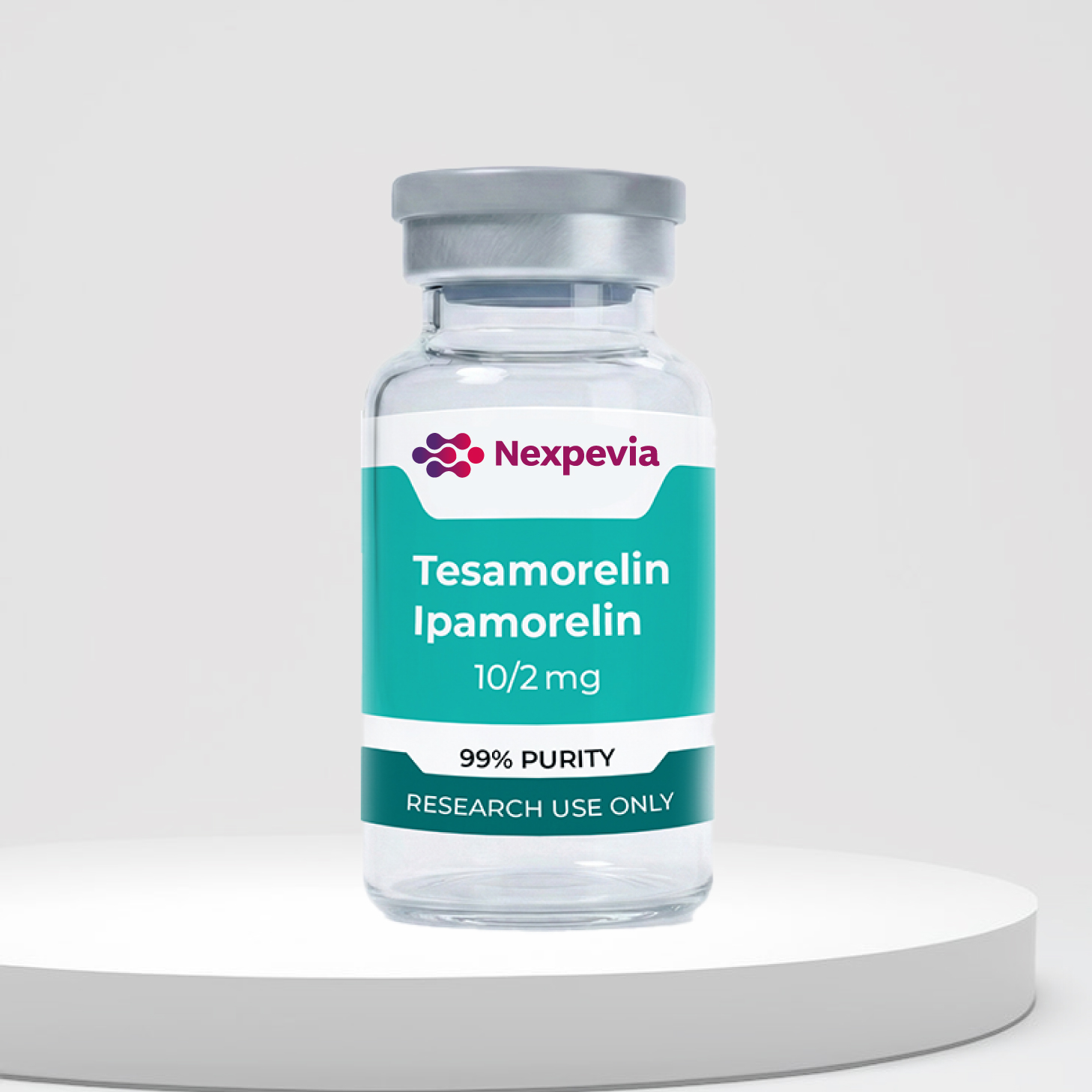
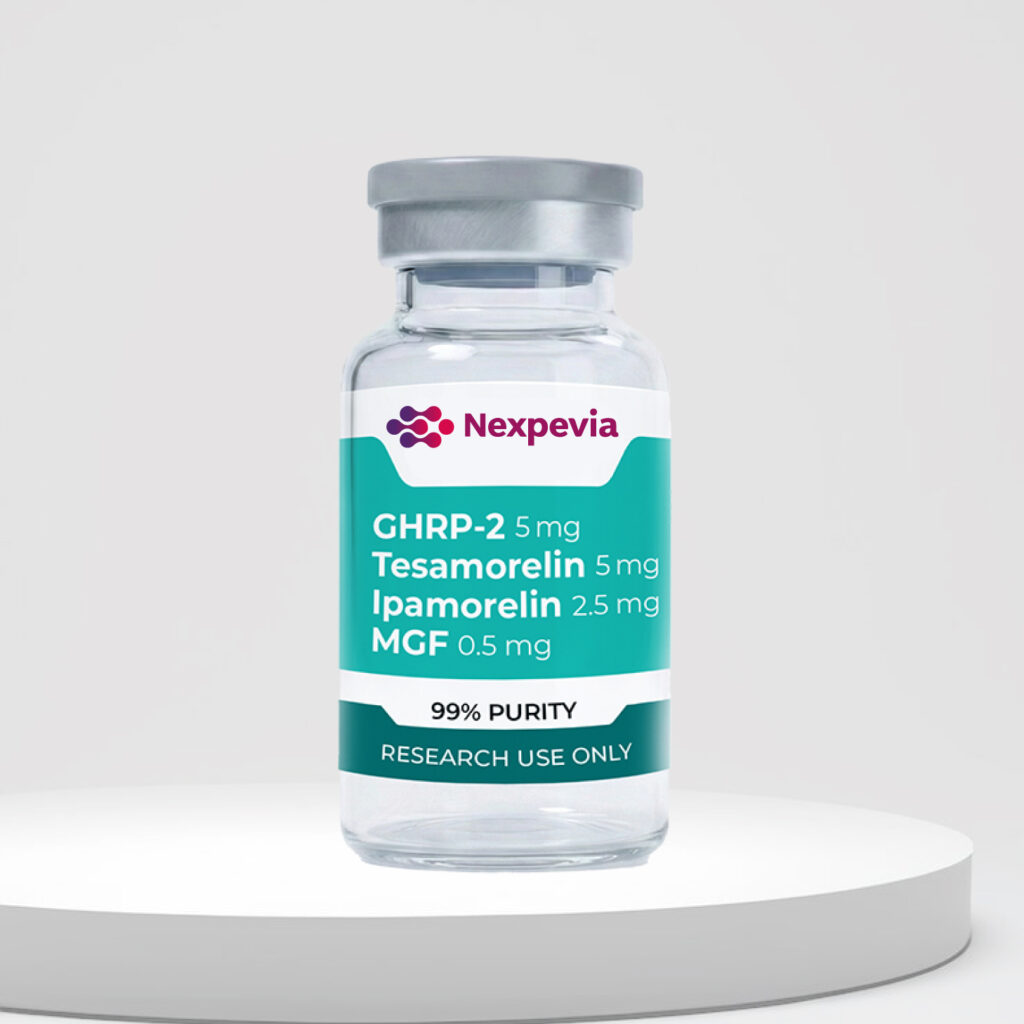
“2X” Tesamorelin | Ipamorelin | 10/2mg
“2X” Tesamorelin + Ipamorelin peptide blend (10/2mg) is a dual-peptide blend commonly studied in laboratory environments for its role in growth hormone-releasing hormone (GHRH) and ghrelin receptor signaling pathways.
Specifications
Composition: Tesamorelin | Ipamorelin
Ratio: 10mg / 2mg
Form: White lyophilized powder
Purity: ≥99%
Storage: 2–8°C
Research Applications
- Commonly studied in GHRH and ghrelin receptor signaling research
- Investigated for roles in peptide-based regulatory pathways
- Utilized in laboratory studies involving endocrine-related mechanisms
Reviews
There are no reviews yet.